
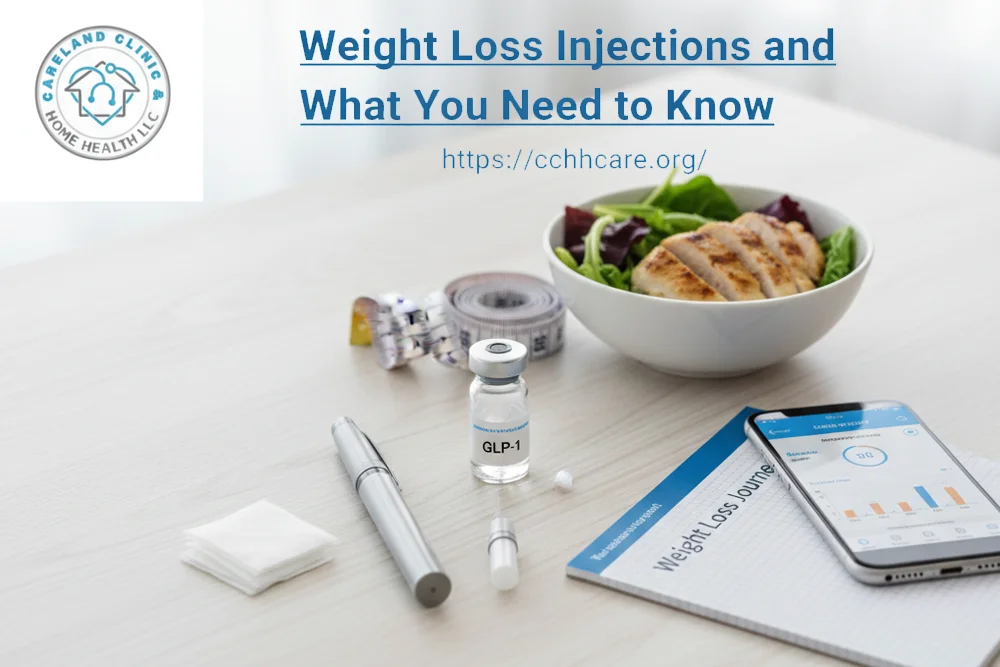
Many people struggle with weight loss despite trying countless diets and exercise programs. The reality is that obesity often involves complex biological factors beyond willpower or lifestyle choices. Weight loss injections work with your body’s natural systems to help you feel full longer and reduce those persistent food cravings that make traditional dieting so difficult.
From a medical perspective, these injections offer a more consistent and predictable approach to weight management. When you take a pill, absorption can vary based on what you’ve eaten or how your digestive system is functioning that day. Injections deliver medication directly into your system, providing steady results that both patients and doctors can rely on.
Weight loss injections primarily target hormones called GLP-1 (glucagon-like peptide-1) and GIP (glucose-dependent insulinotropic polypeptide). These hormones naturally occur in your intestines and play a crucial role in regulating blood sugar and appetite.
When you eat, these hormones signal your brain that you’re getting full and slow down how quickly food moves through your stomach. They also help your pancreas release the right amount of insulin to manage blood sugar levels. In people with obesity or diabetes, these hormone signals often don’t work as effectively as they should.
Weight loss injections contain synthetic versions of these hormones that work much longer than your natural ones. Instead of lasting a few hours, these medications can work for days or even a week. This means you experience consistent appetite control and better blood sugar management between doses. The result is that you naturally eat smaller portions without feeling deprived or constantly fighting hunger pangs. Many patients describe feeling satisfied with much less food than before, and those late-night snack cravings often disappear entirely.
Semaglutide represents the most well known category of weight loss injections available today. Originally developed for diabetes management, researchers discovered its powerful effects on weight loss during clinical trials. The FDA has approved different formulations of semaglutide for both diabetes and obesity treatment.
This medication mimics the GLP-1 hormone and has a much longer duration of action than natural GLP-1. You typically inject semaglutide once weekly, making it convenient for busy lifestyles. Clinical studies have shown that people using semaglutide can lose 15-20% of their body weight when combined with lifestyle changes. The medication works by slowing gastric emptying, which means food stays in your stomach longer and you feel full for extended periods. It also reduces glucagon production, helping stabilize blood sugar levels throughout the day.
Tirzepatide takes a dual approach by targeting both GLP-1 and GIP receptors. This combination makes it potentially more effective than single hormone medications. Clinical trials have shown even greater weight loss results compared to semaglutide, with some participants losing 20-25% of their body weight.
The medication received FDA approval more recently than semaglutide, but early real world results mirror the impressive clinical trial data. Like semaglutide, tirzepatide is administered once weekly via subcutaneous injection. What makes tirzepatide particularly interesting is how it affects both appetite and metabolism. The GIP component helps improve insulin sensitivity and may have additional metabolic benefits beyond weight loss, including improvements in liver function and cardiovascular health.
Several other GLP-1 medications are available, though they may not all be specifically approved for weight loss. Liraglutide was one of the earlier medications in this category and requires daily injections rather than weekly dosing.
Dulaglutide is another weekly option that’s primarily used for diabetes management but may offer weight loss benefits. Your healthcare provider will consider factors like your medical history, other medications, and personal preferences when determining which option might work best for your situation. Each medication has slightly different characteristics in terms of side effects and dosing schedules. What works well for one person might not be the ideal choice for another, which is why medical supervision is so important.
The benefits of semaglutide extend well beyond the number on the scale. Most patients experience significant improvements in their relationship with food, reporting that they no longer think about eating constantly or struggle with overwhelming cravings.
Blood pressure improvements are common, even in the early stages of treatment. Many patients see their blood pressure readings drop within the first few months, often allowing them to reduce or eliminate blood pressure medications under their doctor’s guidance. Sleep quality frequently improves as well. Carrying excess weight can contribute to sleep apnea and other breathing problems during sleep. As weight decreases, many people find they sleep more soundly and wake up feeling more refreshed.
Joint pain often decreases significantly as the stress on weight bearing joints reduces. Patients frequently report being able to walk longer distances, climb stairs more easily, and return to physical activities they had given up years earlier. From a psychological standpoint, the medication can break the cycle of yo yo dieting and food obsession.
Both Ozempic and Wegovy contain the same active ingredient semaglutide but they’re approved for different purposes. Ozempic is FDA approved specifically for diabetes management, while Wegovy is approved for weight loss in people with obesity.
Wegovy is available in higher doses than Ozempic, which can lead to more significant weight loss results. The maximum Wegovy dose is 2.4mg weekly, while Ozempic tops out at 2mg weekly. Insurance coverage often differs between these two medications. Diabetes medications like Ozempic may have better insurance coverage than weight loss medications like Wegovy. Your doctor’s prescription choice will depend on whether you have diabetes, your weight loss goals, and your insurance situation.
The choice between semaglutide and tirzepatide often comes down to effectiveness goals and side effect tolerance. Clinical trials suggest that tirzepatide may produce greater weight loss results, with some studies showing 5-10% more weight loss compared to semaglutide.
However, tirzepatide’s dual mechanism may also lead to more gastrointestinal side effects in some patients. People who experience significant nausea might tolerate semaglutide better. Cost considerations also play a role in this decision. Tirzepatide is newer to the market and may be more expensive. Your medical history influences this choice as well. If you have diabetes, your doctor might lean toward tirzepatide due to its potentially superior effects on blood sugar control.
Good candidates for weight loss injections typically have a BMI of 30 or higher, or a BMI of 27 or higher with weight-related health conditions like diabetes or high blood pressure. Your medical history plays a crucial role in this decision. People with certain types of thyroid cancer or multiple endocrine neoplasia syndrome may not be suitable candidates.
Mental health considerations are equally important. If you have active eating disorders or severe depression, your healthcare provider may want to address these concerns first. Realistic expectations are essential for success. While these medications can produce significant weight loss, they’re not magic solutions that work without any effort. The most successful candidates are ready to make dietary changes and increase physical activity. Age also factors into candidacy, as the risk benefit calculation may be different for older adults.
Gastrointestinal side effects are the most common issues. Nausea affects up to 60% of patients, especially during the first few weeks of treatment or when increasing doses. This nausea is usually mild to moderate and often improves as your body adjusts.
Vomiting can occur, particularly if you eat too much or too quickly. Many patients find that eating smaller, more frequent meals helps prevent this issue. Diarrhea and constipation are both possible, reflecting how these medications affect different people’s digestive systems. Fatigue is common during the first month as your body adjusts to eating less food. Injection site reactions like redness or mild pain are generally minor and resolve within a day or two.
While serious side effects are rare, certain symptoms require immediate medical attention. Severe abdominal pain could indicate pancreatitis. Signs of severe dehydration include dizziness, rapid heartbeat, and decreased urination. This can occur if nausea and vomiting prevent you from keeping fluids down.
Unusual lumps or swelling in your neck should be evaluated promptly. Severe allergic reactions, difficulty breathing, or swelling of the face require emergency care. Changes in vision or eye pain could indicate diabetic retinopathy complications, particularly in people with existing diabetes.
Managing side effects often comes down to simple adjustments. Smaller, more frequent meals work better than trying to eat large portions. Many patients find success with eating 4-5 small meals throughout the day. Avoiding carbonated beverages can help reduce nausea and bloating.
Ginger supplements or ginger tea can help manage nausea naturally during the adjustment period. Staying hydrated is crucial, but sipping small amounts throughout the day works better than trying to drink large quantities at once. Gentle physical activity like short walks after meals can help with digestion and reduce gastrointestinal side effects.
Regular monitoring is essential. Your healthcare provider will typically want to see you monthly during the first few months. Blood work monitoring usually includes kidney function tests, liver function tests, and lipid panels.
Blood pressure monitoring becomes especially important as weight loss progresses. Many patients need their blood pressure medications adjusted downward as they lose weight. Diabetes monitoring is crucial for anyone with diabetes using these medications to prevent low blood sugar episodes. Weight and measurement tracking helps both you and your provider assess progress and make any necessary dose adjustments.
A comprehensive medical weight loss plan begins with a thorough evaluation of your health status. This typically includes detailed blood work and discussion of previous weight loss attempts. Your healthcare provider will review all current medications to identify any that might interfere with weight loss.
Baseline measurements go beyond just weight on a scale. Body composition analysis and blood pressure provide a complete picture of your starting point. Goal setting involves establishing realistic targets for weight loss and health improvements. The injection training process ensures you’re comfortable and confident with self administration.
Regular check-ins help address challenges before they become obstacles. Dose adjustments are common as your body responds to the medication. Most people start with lower doses and gradually increase over several months to minimize side effects. Nutrition support helps you focus on nutrient dense foods. Exercise guidance evolves as your capabilities change with weight loss. Problem-solving support helps address obstacles that arise during treatment, such as managing social situations involving food.
Finding quality medical weight loss services in the West Lawn area requires research into providers who specialize in obesity medicine. Careland clinic and similar practices often offer comprehensive weight management programs. Look for practices that offer thorough initial consultations and regular follow up care.
Insurance verification is crucial before starting treatment. Many practices can help determine your coverage for weight loss medications, but it’s important to understand your potential out-of-pocket costs upfront. Location and scheduling convenience matter for long-term success. Staff expertise in weight loss injections specifically is important for achieving better outcomes.
Searching for “weight loss clinic near me” can turn up various options. Primary care physicians increasingly offer weight loss injection services, which can be convenient if you already have a relationship with a provider. Endocrinologists and obesity medicine specialists have the most extensive training in managing complex cases.
Telehealth services have expanded access to weight loss injection programs, especially in areas with limited local providers. Many patients successfully manage their treatment through virtual consultations and local lab work. Reading reviews and checking credentials can help you identify reputable providers in your area.
Weight loss injection costs vary significantly. Without insurance, monthly costs can range from $900 to $1,500. Insurance coverage for weight loss medications has improved, but policies vary widely. Prior authorization processes typically require documentation of your BMI and previous weight loss attempts.
Patient assistance programs from pharmaceutical manufacturers can significantly reduce costs for eligible patients. Flexible spending accounts (FSAs) and health savings accounts (HSAs) can often be used for weight loss injections and related medical services, providing some tax advantages.
Weight loss injections represent a significant advancement in medical weight management. These medications work by targeting the biological systems that control appetite, making sustainable weight loss more achievable. Success requires commitment to the process, including regular medical follow-up and lifestyle modifications.
The decision to start weight loss injections should be made in consultation with a qualified healthcare provider who can evaluate your individual situation. As with any medical treatment, the key to success lies in finding the right provider and staying committed to comprehensive lifestyle changes. The investment in your health can pay dividends in improved quality of life and reduced disease risk for years to come.
Most patients notice appetite changes within the first week, with weight loss beginning in the first month. Significant results typically become apparent after 2-3 months.
These medications work best as long-term treatments. Many patients regain weight if they stop the injections entirely.
Coverage varies by plan. Many insurers are expanding coverage when prescribed for medical necessity.
While there aren’t specific restrictions, fatty or very sweet foods can worsen nausea.
Moderate consumption is generally acceptable, but alcohol can affect blood sugar levels and worsen nausea.