But here’s the thing as we navigate this new digital landscape, people often use the terms Telehealth vs Telemedicine like they mean the same thing. They don’t. While they are related, they represent different scopes of care. Understanding the subtle yet significant differences between them can help you choose the right type of care when you need it most. Whether you are managing a long term illness or just need a quick prescription refill, knowing the lingo helps you navigate the system like a pro.
Life moves quickly in the 21st century. Between demanding work schedules, family commitments, and the general chaos of daily life, finding a three hour window for a 15 minute doctor’s appointment can feel like solving a complex puzzle. Virtual care fits into busy schedules like a missing piece, filling the gap left by traditional brick and mortar clinics that operate only during standard business hours.
Add to that better high speed internet access, smartphones in every pocket, and vastly improved digital security. These technological leaps have removed the barriers that once made remote care feel clunky or second best. The result? A healthcare revolution that prioritizes the patient’s time and convenience without sacrificing clinical quality.
During the global pandemic, remote healthcare didn’t just grow it exploded. It was a forced experiment that yielded surprising results patients and providers realized something incredibly important: not every visit requires a physical exam room. We learned that consultations, mental health check ins, and many follow up appointments are just as effective if not more so when conducted via a screen.
Now, telehealth services for patients are part of everyday life. From rural communities where the nearest specialist is hours away, to bustling cities where traffic makes cross town travel a nightmare, remote medical services have become the new standard for modern medicine.
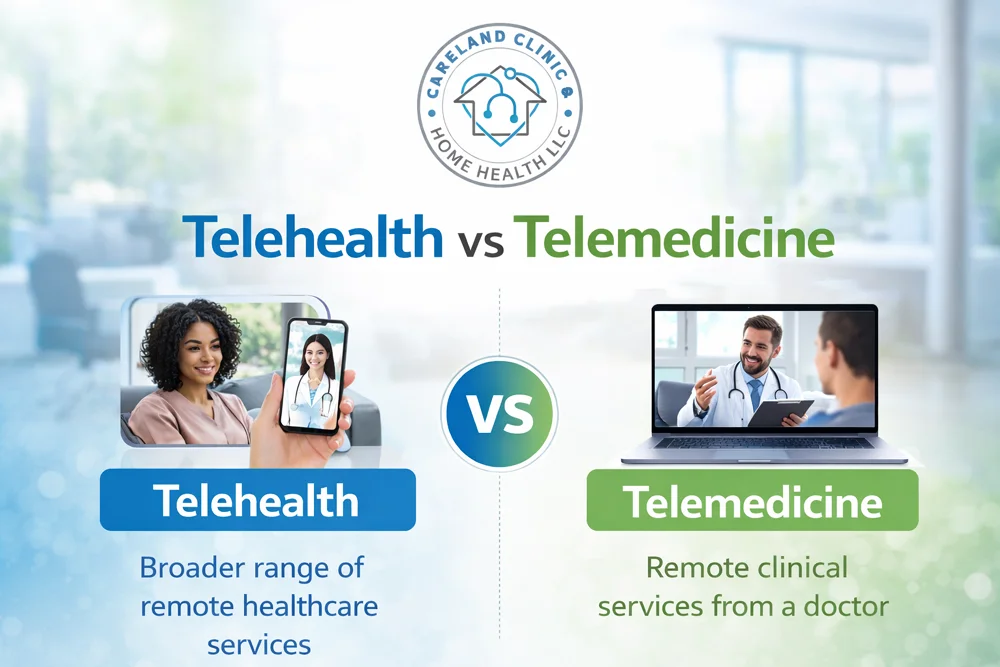
Telehealth is a broad term. Think of it as the umbrella that covers the entire world of remote health services. It is not limited to the relationship between a doctor and a patient it includes the entire ecosystem of health support. It includes medical care, yes but it also encompasses health education, remote monitoring of vitals, health focused mobile apps, mental health counseling, and even administrative provider to provider meetings.
Telehealth services for patients are incredibly diverse. They aren’t just about fixing a problem but about maintaining a lifestyle of wellness. These services can include:
Imagine tracking your blood pressure at home using a digital cuff that automatically sends the results directly to your provider’s dashboard. If your numbers spike, your doctor sees it instantly and sends you a message. That is telehealth. Or consider a school nurse using a digital stethoscope to let a remote pediatrician listen to a child’s heart in real time. Even attending a virtual diabetes education class with ten other people from across the state is telehealth at work. It is the use of tech to bridge the gap between needing to know and having the information.
In short? Telemedicine is the clinical piece of the telehealth puzzle. It is the digital version of the doctor patient encounter.
The process of how telemedicine works is actually quite simple and designed to be user friendly for all ages:
Telemedicine is highly effective for a wide range of non emergency medical concerns. Common services often cover:
It’s ideal for those I need a doctor now moments that don’t require a physical touch.
It’s like comparing a grocery store to just the produce section. The grocery store (Telehealth) has everything you need to run a household pharmacy, bakery, cleaners while the produce section (Telemedicine) is a specific, vital area dedicated to one thing fresh, clinical nutrition.
Both utilize video calls, mobile apps, and secure messaging systems. However, telehealth might also include more passive technology. This includes wearable devices (like a Fitbit or Apple Watch) that sync data, health education portals where you watch videos on your own time, and complex remote patient monitoring (RPM) systems that stay in your home. Telemedicine usually requires a live or synchronous interaction.
Telehealth goes beyond the patient. It includes provider training, medical education webinars for nurses, and administrative board meetings for hospital staff. If a doctor in New York consults with a specialist in London about a rare case via video, that is telehealth. Telemedicine doesn’t usually cover these behind the scenes activities it is focused on the direct delivery of care to the end user. Simple difference, but it has a big impact on how insurance companies and health systems categorize their services.
Let’s be honest telehealth vs in-person visits often comes down to the most valuable resource we have time. Furthermore, virtual visits are the ultimate time savers because there is no fighting through highway traffic or hospital parking. However, it is important to be realistic as not everything can be done remotely. For instance, broken bones and lab tests still require a physical presence.
However, it is important to be realistic not everything can be done remotely. Medicine still requires a physical presence for many things. Broken bones need X rays and casts. Severe injuries need stitches. Lab tests require a blood draw, and imaging like MRIs or Ultrasounds requires specialized machinery. If you have a high fever and a severe sore throat, a doctor may need to physically swab you for Strep. Telehealth complements traditional care it doesn’t replace it entirely it filters out the visits that don’t need a clinic, so that those who do can get in faster.
Generally, virtual visits are more affordable. Think about the hidden costs of a traditional visit gas money, unpaid time off work, and childcare. Beyond that, many insurance providers now offer lower co pays for telehealth than for in-person visits because it costs the clinic less to see you digitally. It’s healthcare that respects your time, your health, and your wallet.
Chronic conditions don’t take a break. In fact, they are 24/7 realities. Additionally, regular virtual check-ins allow a provider to keep a close eye on your levels. As a result, small adjustments can be made to your plan before a minor issue becomes a major hospitalization.
Digital health tools like glucose monitors that sync to an app or smart inhalers provide a continuous stream of data. Instead of telling your doctor what happened three weeks ago, you are showing them what is happening right now. That real-time data means faster adjustments to treatment plans and far fewer surprises.
When care is easy to access, patients stay involved. There is less avoidance of the doctor when the doctor is just a click away. Increased engagement leads to better medication adherence, better lifestyle choices, and ultimately, much better health outcomes and a higher quality of life.
Telehealth urgent care is a perfect solution for those annoying, non life threatening issues that pop up on weekends or late at night. It is ideal for:
It provides quick care and fast relief without the four hour wait at a physical Urgent Care center.
However, safety is paramount. Chest pain? Severe, uncontrollable bleeding? Difficulty breathing? A sudden change in vision or speech? Skip the telehealth app and call emergency services (911) immediately. Virtual care is powerful but it has clear limits. It is a tool for wellness and minor illness, not a substitute for the Emergency Room.
Losing weight can feel like climbing a mountain without a map. But in 2026, you don’t have to do it alone. Telehealth for medical weight loss is one of the fastest growing sectors of virtual care. It connects patients with licensed providers who create personalized, medically backed plans. This isn’t a fad diet from a social media influencer it’s clinical science. This may include:
Weight loss telehealth services also provide easy access to registered dietitians and behavioral counselors. You can have a 20 minute check in while on your lunch break to discuss your meal prep or your hurdles. This micro support makes consistency much easier. When help is in your pocket, you’re much less likely to fall off the wagon.
Typing telehealth services near me into a search bar will give you thousands of results. To find the best care look for:
CCHH Care telehealth options offer a streamlined, compassionate approach to virtual medicine. By focusing on the Care in healthcare, CCHH provides convenient virtual visits for general health, urgent concerns, and long term management plans. Our goal is to make professional guidance accessible from the safety and comfort of your home. Accessibility matters and reliable providers like CCHH Care make all the difference in a digital world.
Security is a major concern for anyone using the internet for personal business. Reputable telehealth platforms use high level encryption the same kind used by banks to protect your video feed and your medical records. Your data is not floating around on the public web it is stored in secure, medical grade servers.
In the United States, providers must follow HIPAA (Health Insurance Portability and Accountability Act) regulations. This means they are legally required to ensure your confidentiality. Always confirm that the platform you are using is HIPAA Compliant before sharing sensitive health information.
To get the most out of your visit, do a little pre game prep:
The future of healthcare is looking smarter. We are seeing the rise of AI driven diagnostic tools that can help doctors spot patterns in your heart rate or glucose levels before you even feel a symptom. Remote monitoring is becoming more invisible and integrated into our daily lives through smart clothing and advanced wearables.
Perhaps the greatest victory of virtual care is its ability to bridge the geographical gap. For people living in rural areas where the nearest specialist is a four hour drive away, telehealth is a lifeline. It brings world class medical expertise to your kitchen table, ensuring that where you live doesn’t determine how you live.
Telemedicine focuses on the clinical treatment and diagnosis delivered remotely. Telehealth is the broader world it includes telemedicine plus education, administrative support, remote vitals monitoring, and wellness coaching.
Both make healthcare more accessible, flexible, and patient friendly. Whether you’re managing a chronic condition, seeking telehealth urgent care, or exploring telehealth for medical weight loss, virtual care offers solutions that fit modern life. Healthcare has officially entered the digital age. And honestly? It’s about time.