
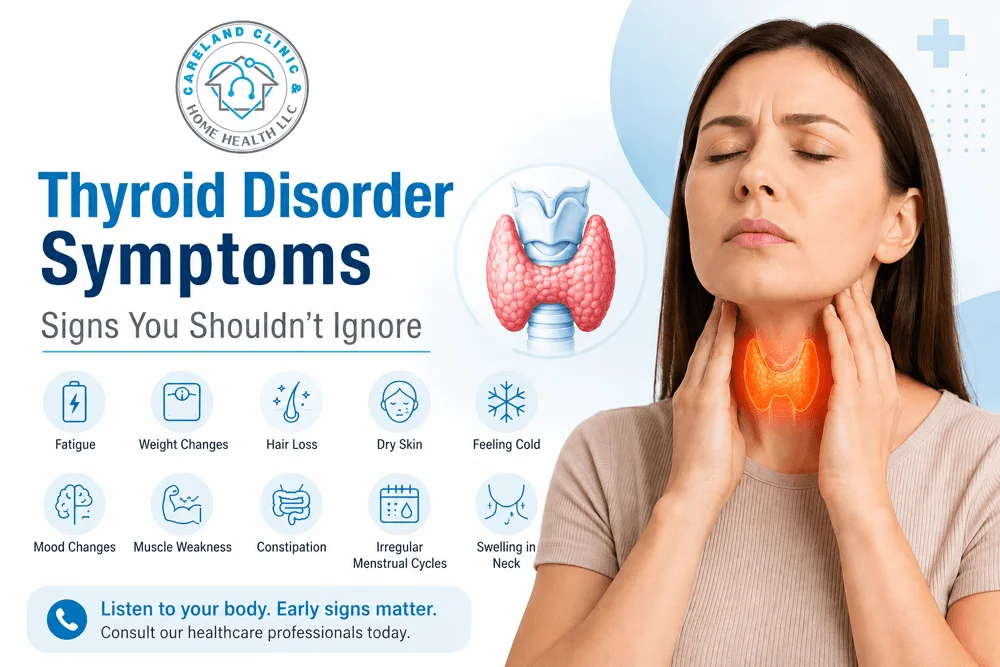
The thyroid is a small butterfly shaped gland located in the front of the neck. Despite its size, it plays a huge role in regulating metabolism, energy production, body temperature, heart rate, and many other essential functions. When thyroid hormone levels become too low or too high, the effects can spread throughout the entire body. According to thyroid health experts, millions of people live with thyroid disease, and many remain undiagnosed because the symptoms often mimic other health conditions.
The thyroid gland works like a control center for your body’s metabolism. It produces hormones called T3 (triiodothyronine) and T4 (thyroxine), which help regulate how your body uses energy. These hormones influence everything from heart function and digestion to mood and body temperature. When hormone levels fall outside the normal range, physical and emotional symptoms often appear.
Even a small imbalance can influence concentration, sleep quality, digestion, heart rate, and emotional well being. That’s why healthcare providers often use thyroid hormone testing when patients report persistent symptoms that cannot be explained by other conditions. Early diagnosis can help prevent long-term complications and improve quality of life significantly.
People with hypothyroidism frequently report fatigue, cold intolerance, dry skin, constipation, memory problems, and weight gain. These symptoms can appear gradually, making them easy to overlook. Clinical data show that hypothyroidism is one of the most common endocrine disorders worldwide and is especially prevalent among women.
Individuals with hyperthyroidism often experience rapid heartbeat, nervousness, heat intolerance, excessive sweating, unintended weight loss, and difficulty sleeping. Because symptoms can resemble anxiety disorders or stress related conditions, some people remain undiagnosed for months or even years.
Research and clinical observations consistently identify fatigue as a hallmark symptom of hypothyroidism. Because this symptom overlaps with stress, depression, anemia, and sleep disorders, laboratory testing remains the most reliable way to identify thyroid related causes.
Women experience thyroid disorders more frequently than men. Hormonal fluctuations during pregnancy, postpartum recovery, and perimenopause may increase awareness of thyroid related symptoms or contribute to diagnosis during these stages of life.
Some thyroid related symptoms deserve prompt medical evaluation. While many thyroid disorders develop gradually, certain warning signs may indicate significant hormone imbalance.
If these symptoms continue for several weeks or worsen over time, it is wise to discuss them with a healthcare provider. Early diagnosis often leads to more effective treatment and better long term outcomes.
| Test | Purpose |
|---|---|
| TSH | Measures thyroid stimulation signals |
| Free T4 | Measures circulating thyroxine |
| Free T3 | Measures active thyroid hormone |
| Thyroid Antibodies | Detects autoimmune thyroid disease |
Many people ask, How do I know if my thyroid is low? The honest answer is that symptoms alone cannot provide certainty. Fatigue, weight gain, mood changes, and other warning signs may suggest thyroid dysfunction, but blood testing is necessary for confirmation.
If you are searching for a thyroid testing clinic near me or a thyroid testing clinic in Pennsylvania, look for healthcare providers experienced in evaluating endocrine disorders. Organizations such as Careland Clinic and Home Health may offer services that help patients assess symptoms and determine whether thyroid testing is appropriate.
Thyroid disorders can affect nearly every aspect of daily life, from energy levels and metabolism to mood and heart function. Because symptoms often develop slowly, many people ignore the warning signs until they become more severe. Understanding the difference between hypothyroidism vs hyperthyroidism symptoms can help you recognize potential issues earlier.