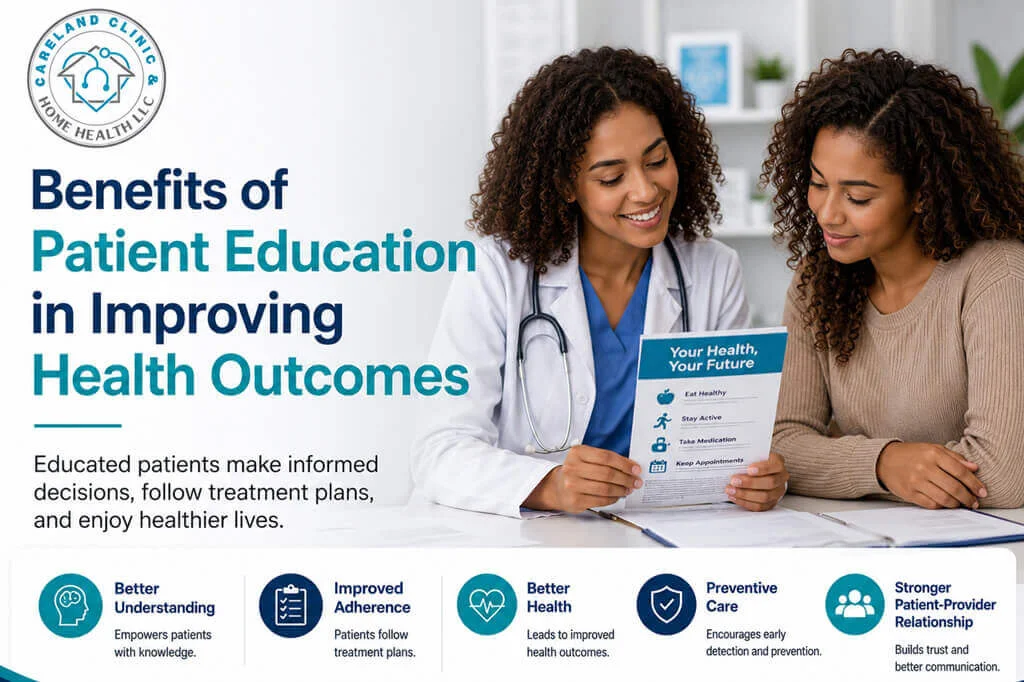
Benefits of Patient Education in Improving Health Outcomes

Receiving a medical diagnosis can feel like stepping into a foreign country without a map. The medical jargon, the sudden influx of instructions, and the anxiety about the future can easily overwhelm anyone.
Benefits of Patient Education in Improving Health Outcomes
However, healthcare is shifting away from the old model where patients merely followed orders. Today, the most effective tool in modern medicine is knowledge.

When people actively understand their health, everything changes. The benefits of patient education in improving health outcomes are vast, transforming passive care recipients into empowered managers of their own well-being. Let us break down how high quality health education bridges the gap between a doctor’s diagnosis and a healthier, happier life.

1. Demystifying the Diagnosis

True healing begins with understanding your diagnosis. When a physician explains a condition in plain language, it strips away the fear of the unknown. Knowing exactly what is happening inside your body reduces anxiety and builds trust between you and your healthcare team. Instead of turning to confusing internet searches, clear patient education provides a reliable, stress-free foundation for your recovery journey.

2. Clear Explanation of Medications

Prescription bottles are often covered in complex warnings and dosage instructions. A critical pillar of patient education is providing a clear explanation of medications. Patients need to know not just when to take a pill, but why they are taking it, how it works, and what side effects to look out for.

When you understand that a specific drug prevents blood clots or stabilizes insulin levels, you are far more likely to take it consistently. This clarity drastically reduces medication errors and prevents unnecessary hospital readmissions.

3. Mastering Lifestyle Modification Guidance

Medicine can do a lot, but daily habits do the rest. Lifestyle modification guidance is the practical blueprint that helps patients adapt their routines to support their recovery. Whether it is adjusting sleep hygiene, managing daily stress, or incorporating safe movement routines, education translates clinical advice into realistic, everyday habits. Small, sustainable shifts in daily behavior frequently yield the most significant long-term health victories.

4. Tailored Nutrition and Diet Tips

Food is fuel, and in many cases, it is also medicine. Navigating dietary changes after a diagnosis can be incredibly tricky. Reliable nutrition and diet tips cut through the noise of trendy fad diets to deliver science backed advice tailored to specific medical needs. For instance, learning how to count carbohydrates for diabetes or reducing sodium intake for heart health gives patients the practical tools they need to grocery shop and cook with absolute confidence.

5. Proactive Chronic Disease Management

Conditions like hypertension, asthma, or arthritis require daily attention. Chronic disease management education shifts the focus from reacting to painful flare ups to proactively preventing them. When patients learn to recognize early warning signs like tracking daily blood pressure trends or recognizing asthma triggers they can take action before a minor symptom escalates into an emergency room visit.

6. Elevating Mental and Emotional Health Awareness

A physical diagnosis never exists in a vacuum; it deeply impacts the mind. Incorporating mental and emotional health awareness into patient education ensures that anxiety, burnout, and depression are never ignored. Acknowledge the emotional weight of managing health challenges allows patients to seek appropriate coping mechanisms, support groups, or counseling, resulting in a truly holistic recovery.

7. The Shield of Preventive Care Education

The easiest illness to treat is the one that never starts. Preventive care education focuses on keeping healthy people well. By teaching communities about the vital importance of timely screenings, routine immunizations, and early detection signs, healthcare shifts from a system of crisis management to proactive wellness protection.

Whether you need guidance on reversing insulin resistance or require expert management for Type 2 diabetes, we are here to support you. We believe in addressing the root causes of illness to help our community achieve long term wellness. Visit CCHH Care today to learn more about our primary care, preventive medicine, and specialized chronic disease management services. Let us partner together to secure a healthier, brighter future for you and your family.

8. Creating a Personalized Wellness Planning

No two bodies are completely identical. A personalized wellness planning synthesizes all medical guidance into a custom strategy that respects an individual’s unique goals, cultural background, and daily schedule. This bespoke approach ensures that your health strategy feels completely achievable, relevant, and deeply sustainable for your specific lifestyle.

The Ultimate Outcome: Autonomy and Longevity

Ultimately, patient education saves lives, reduces healthcare costs, and eliminates the crushing frustration of navigating medical conditions blindly. When you are educated about your health, you stop feeling like a bystander in your own body. You become the captain of your health journey.

Partner with Us for Your Health Journey

Achieving optimal health requires the right team by your side. At Careland Clinic and Home Health, we believe that premium patient education is a fundamental right, not a luxury. We are dedicated to providing clear, compassionate, and highly personalized guidance to help you navigate every stage of your wellness journey. Let us help you transform complex medical information into a clear, vibrant path toward long term vitality.

FAQs

Understanding your diagnosis removes fear and confusion, allowing you to make informed decisions. It helps you collaborate effectively with your doctor and follow treatment plans accurately.
A clear explanation ensures you know the correct dosages, potential side effects, and timing. This drastically reduces accidental medication errors and harmful drug interactions.
This guidance offers practical steps to adapt your daily routines, including tailored stress management, sleep improvement strategies, and safe physical exercise routines.
Yes. By teaching you how to monitor symptoms and prevent severe flare-ups, proactive chronic disease management reduces expensive emergency room visits and hospitalizations.
A personalized plan is highly effective because it adapts clinical guidelines to your unique lifestyle, dietary preferences, and personal goals, making it much easier to sustain long-term.