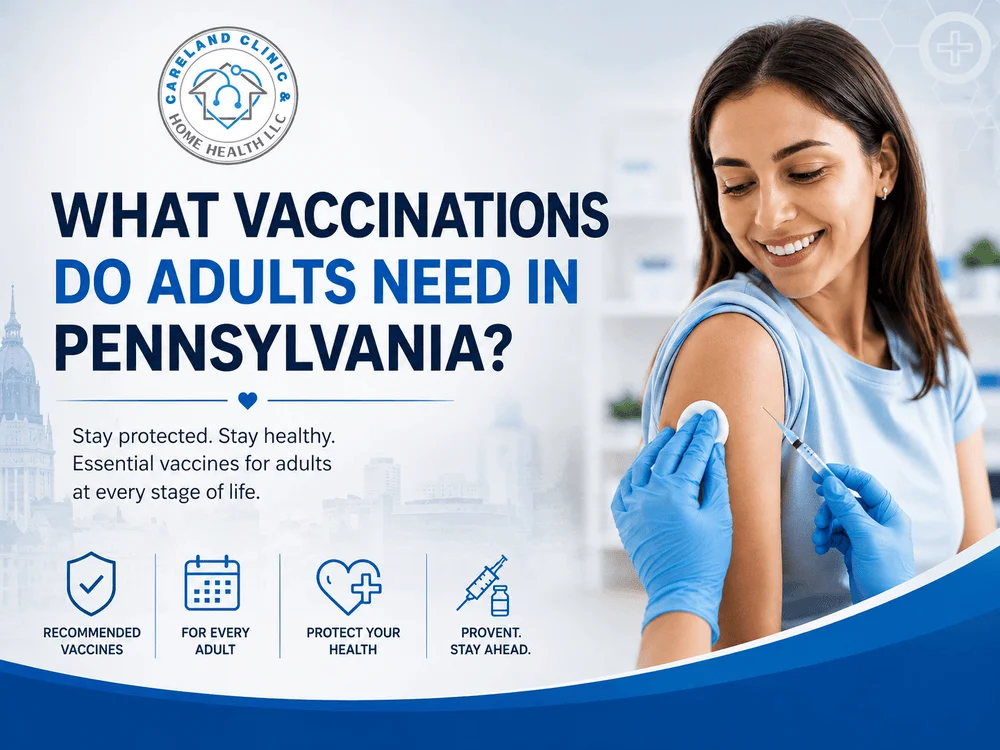
what vaccinations do adults need in Pennsylvania?

Vaccinations are not just for children. While childhood immunizations establish critical initial defenses, immunity to many diseases weakens over time.
Adult Vaccinations in Pennsylvania
New health risks also emerge as body chemistry, lifestyle, and age shift. Every year, thousands of adults in Pennsylvania contract preventable illnesses like influenza, shingles, pneumonia, and pertussis (whooping cough). Staying current on your immunizations is one of the easiest, most effective steps you can take to safeguard your long-term health and protect vulnerable community members around you.
Knowing what vaccinations do adults need in pennsylvania depends on several individual factors, including your age, health status, occupation, travel plans, and prior vaccination history. Pennsylvania aligns its official public health guidance with recommendations from the Centers for Disease Control and Prevention (CDC) and the Advisory Committee on Immunization Practices (ACIP). This comprehensive guide breaks down the essential immunizations every Keystone State adult should consider to stay protected year-round.

Essential Routine Vaccinations for All Adults in Pennsylvania

Regardless of your health history or lifestyle, medical guidelines recommend several core vaccines for nearly all adults. These vaccines form the foundation of adult preventive care by maintaining immunity against common, highly contagious bacterial and viral infections.

Tetanus, Diphtheria, and Pertussis (Tdap or Td)

Every adult needs protection against tetanus, diphtheria, and pertussis. If you never received a Tdap shot as an adolescent or adult, you should get one as soon as possible. After receiving your initial Tdap dose, you need a booster shot either Td (tetanus and diphtheria) or Tdap every 10 years.

Pertussis protection is especially vital for pregnant women, who should receive a Tdap vaccine during the third trimester of every pregnancy. This transfers protective antibodies to the newborn before the baby can build their own immunity. Anyone who expects to spend time around newborns, such as grandparents and childcare workers, should also ensure their pertussis protection is up to date.

Measles, Mumps, and Rubella (MMR)

Adults born in 1957 or later generally need at least one dose of the MMR vaccine unless they have laboratory proof of immunity or a documented history of prior vaccination. Certain groups require two doses for full protection, including:

When conditions are identified early through routine screenings, treatment is consistently simpler, less invasive, and far more effective. Identifying elevated blood sugar during a routine blood test, for instance, allows for targeted lifestyle adjustments or mild intervention before the condition progresses into full blown diabetes.

Varicella (Chickenpox)

If you never had chickenpox as a child and never received the varicella vaccine, you remain susceptible to the virus as an adult. Chickenpox in adulthood often causes significantly more severe complications than in childhood, including severe pneumonia and encephalitis. Adults without evidence of immunity should receive a two-dose series spaced four to eight weeks apart.

Human Papillomavirus (HPV)

The HPV vaccine guards against human papillomavirus strains responsible for cervical, anal, throat, and penile cancers, as well as genital warts. Public health agencies recommend the HPV vaccine for all young adults through age 26 who were not fully vaccinated when younger. Adults aged 27 through 45 who are not yet vaccinated can discuss their individual exposure risks with a healthcare provider to decide if the vaccine makes sense for them.

Annual and Seasonal Vaccines to Keep on Your Radar

Respiratory viruses cause thousands of emergency room visits across Pennsylvania each winter. Seasonal immunizations adapt to mutating virus strains, giving your immune system target-specific defenses before peak illness months arrive.

Seasonal Influenza (Flu Shot)

The CDC and Pennsylvania Department of Health recommend a seasonal flu vaccine every autumn for everyone aged six months and older. Influenza strains change every year, meaning last year’s shot will not shield you against current circulating strains.
Getting vaccinated by late October provides optimal coverage throughout Pennsylvania’s peak flu season, which typically runs from November through April. For seniors aged 65 and older, high-dose or adjuvanted flu formulations offer stronger immune responses tailored to aging immune systems.

Updated COVID-19 Vaccine

Updated COVID-19 vaccines target current viral variants. Health authorities recommend an updated dose for adults to reduce the risk of severe illness, hospitalization, and long-term post-viral complications. Getting your updated COVID-19 shot alongside your annual flu vaccine is safe and convenient.

Respiratory Syncytial Virus (RSV)

RSV is a common respiratory virus that usually causes mild, cold like symptoms but can lead to severe lung infections in older individuals and young infants. Adults aged 60 and older should speak with their doctor about receiving an RSV vaccine. Pregnant women between 32 and 36 weeks of gestation should also receive an RSV shot to pass protective antibodies to their babies ahead of RSV season.

Age-Based Immunization Schedules: What to Get As You Age

Your body’s immune needs evolve over time. Health organizations divide adult vaccine schedules into specific age brackets so you know exactly which milestones require extra protection.

Young Adults (Ages 18 to 49)

Young adulthood is the ideal window to ensure you completed all childhood series, including MMR, Hepatitis B, and Varicella. College students moving into residence halls should also receive the meningococcal conjugate vaccine (MenACWY) and discuss the Serogroup B meningococcal vaccine (MenB) with a clinician to prevent outbreak risks in communal living quarters.

Adults Aged 50 to 64

Starting at age 50, adults should receive the two-dose Shingrix vaccine to protect against shingles (herpes zoster) and its painful complication, postherpetic neuralgia. Shingles occurs when the dormant chickenpox virus reactivates in nerve tissue. Shingrix offers over 90% protection and is strongly recommended even if you had shingles in the past or previously received the older Zostavax vaccine.

Seniors Aged 65 and Older

As you reach age 65, natural aging gradually weakens your immune system. Seniors face elevated risks of severe disease from pneumococcal bacteria, which cause pneumonia, bloodstream infections, and meningitis.

The CDC recommends pneumococcal vaccination for all adults 65 and older. Depending on your medical history, your provider will administer either a single dose of PCV20 or a dose of PCV15 followed by PPSV23. Seniors also benefit from specialized high dose influenza shots and a one-time RSV vaccine.

Vaccines for Health Conditions, Careers, and Travel

Certain occupations, underlying medical conditions, and travel destinations introduce unique health risks that demand extra protection.

Chronic Health Conditions

If you manage an ongoing illness, preventable infections can trigger severe, life-threatening complications. Healthcare providers tailor vaccine plans for individuals living with:

Healthcare, Education, and Caregiving Careers

Pennsylvania employers in medical care, home health, emergency response, and education frequently require documented immunizations to protect staff and vulnerable populations. Essential occupational vaccines include:

Travel Immunizations

Planning an international trip outside the United States? Depending on your destination, you may need travel-specific vaccines to prevent illnesses uncommon in Pennsylvania:

Partner with Careland Clinic & Home Health for Your Adult Immunization Needs

Navigating adult healthcare should be simple, personal, and convenient. At Careland Clinic & Home Health  (CCHH Care), we make preventive care accessible to residents across West Lawn, Pennsylvania, and surrounding communities. Founded by Dr. Kassandra Barthelemy DNP, our nurse practitioner led team puts patients first through high quality primary care, disease prevention, and dedicated home health services tailored to adult and geriatric clients.

Whether you need routine adult immunizations, PPD skin testing for work or school, comprehensive physical exams, or ongoing primary care management, CCHH Care is here to support you. We offer flexible in clinic visits, telehealth consultations, and skilled in home visits to ensure you receive the care you deserve right where you feel most comfortable.

Conclusion

Keeping track of adult immunizations does not have to feel overwhelming. By staying up to date on your routine Tdap boosters, seasonal respiratory shots, age specific vaccines like Shingrix, and specialized health protections, you build a reliable barrier against severe illnesses. Take time to review your vaccination record with a qualified healthcare professional today so you can protect your health, your family, and your community.

FAQs

Adults in Pennsylvania can receive vaccinations at primary care clinics, community health centers, local pharmacies, county health departments, and through certified home health care providers.
Yes. Most private health insurance plans, Medicaid, and Medicare Part D cover ACIP-recommended adult vaccines (such as Shingrix, Tdap, RSV, and flu shots) with zero out-of-pocket copays. Medicare Part B covers annual flu, COVID-19, and pneumococcal vaccines.
Yes. Immunity from certain childhood vaccines wanes over time. For example, adults require a Td or Tdap booster every 10 years to maintain protection against tetanus, diphtheria, and pertussis.
Yes. Medical guidelines state that receiving multiple inactivated vaccines during the same visit—such as a flu shot and an updated COVID-19 or Tdap vaccine—is safe and does not reduce effectiveness.
You can request your immunization records from your primary care provider or access Pennsylvania’s statewide immunization registry, PASIIS (Pennsylvania Immunization Information System), through your health provider or local county health department.