
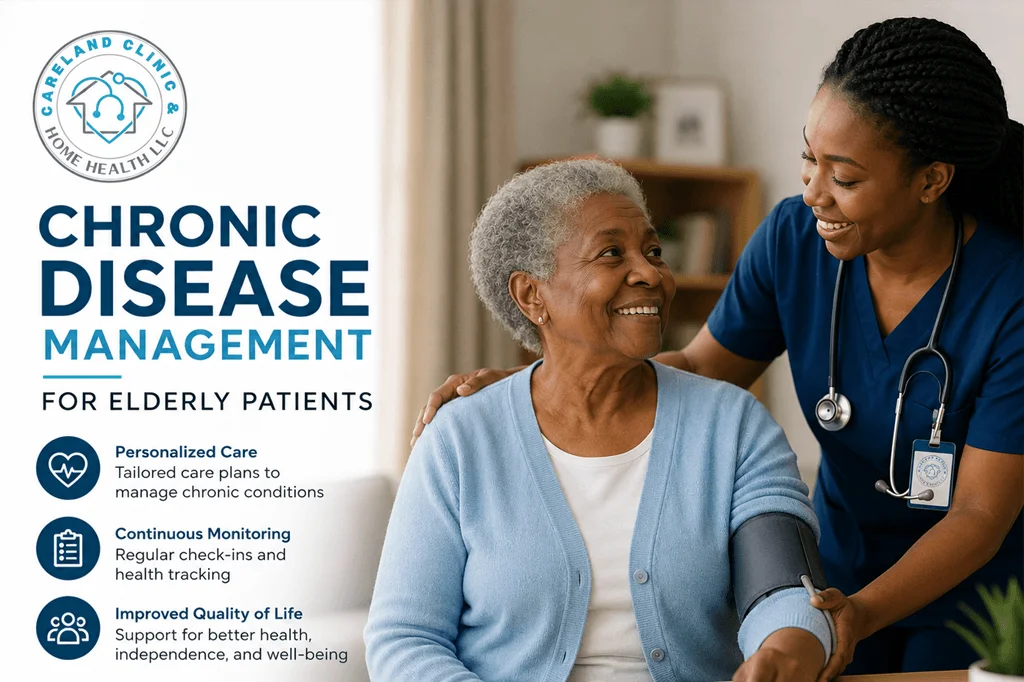
That’s exactly why chronic care management for Medicare patients has become one of the most important healthcare priorities in the United States. Seniors often face long term conditions like diabetes, hypertension, arthritis, heart disease, and COPD. These illnesses do not disappear overnight, and they usually require ongoing treatment, medication management, lifestyle adjustments, and continuous monitoring.
Recent data from the CDC shows that more than 90% of adults aged 65 and older live with at least one chronic condition, while many manage two or more at the same time. That number alone highlights why elderly chronic disease care is essential for maintaining quality of life. Chronic diseases are also responsible for a significant portion of healthcare spending in America, making preventive care and early management more important than ever. Seniors who receive consistent medical attention often experience fewer hospital visits, better mobility, and improved emotional well-being.
Families also play a major role in helping elderly loved ones navigate healthcare decisions. Between doctor appointments, medications, insurance paperwork, and diet changes, things can quickly feel overwhelming. That’s where healthcare services for Medicare patients step in to create structure and support. Modern chronic care programs focus on personalized treatment plans, regular follow ups, and coordinated healthcare teams that work together for better patient outcomes.
A chronic disease is a condition that lasts for a year or longer and requires ongoing medical attention. These illnesses can slowly affect daily activities, independence, and emotional health if they are not properly managed. Aging naturally weakens the body’s ability to repair itself, which increases the likelihood of long term health conditions. As people age, their immune system, metabolism, and organ function gradually change, making seniors more vulnerable to disease progression.
The most common conditions affecting Medicare patients include diabetes, hypertension, arthritis, heart disease, osteoporosis, and chronic respiratory diseases. According to CDC reports, hypertension is one of the leading chronic conditions among adults over 85 years old, affecting nearly 67% of that age group. These numbers are not just statistics; they represent millions of seniors who require daily care and support to maintain healthy lives.
Families often notice subtle signs before a diagnosis happens. Fatigue, memory issues, dizziness, swelling, shortness of breath, or sudden weight changes may indicate an underlying health problem. Early diagnosis can prevent serious complications and help seniors maintain independence longer. Regular screenings and preventive healthcare visits remain one of the strongest tools in protecting elderly health.
Living with a chronic illness can sometimes feel like juggling several balls in the air at once. There are medications to remember, doctor visits to schedule, dietary restrictions to follow, and symptoms to monitor. Without proper support, seniors can easily feel stressed and confused. That’s why chronic care management for Medicare patients has become such a valuable healthcare service.
Medicare offers support programs designed specifically for seniors with two or more chronic conditions. These programs focus on coordinated healthcare planning, medication management, and continuous communication between healthcare providers. Medicare Part B may cover chronic care management services for eligible patients, helping reduce unnecessary hospital visits and emergency room admissions. Seniors enrolled in these programs often gain access to 24/7 healthcare support, care coordination, and regular wellness monitoring.
| Benefit | Impact on Seniors |
|---|---|
| Medication Monitoring | Reduces harmful drug interactions |
| Care Coordination | Improves communication between doctors |
| Preventive Health Checks | Detects complications earlier |
| Telehealth Support | Provides easier healthcare access |
| Personalized Care Plans | Creates treatment based on individual needs |
Primary care doctors are often the first line of defense in senior healthcare. Think of them as the quarterback of a healthcare team. They coordinate treatment, monitor health changes, recommend specialists, and help patients manage chronic illnesses before they become severe. Primary care for elderly Medicare patients focuses heavily on prevention and long term wellness rather than simply reacting to emergencies.
Routine visits allow healthcare providers to track important health indicators like blood pressure, cholesterol levels, blood sugar, and weight changes. These regular checkups may seem small, but they can catch dangerous health issues before they spiral out of control. Seniors who maintain regular primary care appointments are more likely to stay healthier and avoid hospitalization.
Doctors also help elderly patients manage medications safely. Many seniors take multiple prescriptions every day, and medication interactions can become dangerous without careful supervision. Primary care providers review medications regularly to ensure everything works together safely and effectively. This becomes especially important for seniors with diabetes, hypertension, or heart disease.
Lifestyle changes remain one of the strongest tools for diabetes management. Healthy eating habits, portion control, regular movement, and stress management can significantly improve blood sugar levels. Seniors do not necessarily need intense workouts or complicated diets. Even daily walks, chair exercises, and balanced meals can make a meaningful difference over time.
High blood pressure is often called the “silent killer” because it may not show obvious symptoms for years. Many seniors feel perfectly fine while their blood pressure quietly damages blood vessels, the heart, kidneys, and brain. That’s why hypertension treatment for seniors is one of the most important parts of chronic disease management.
Families can also support hypertension management by encouraging healthy routines and helping seniors attend regular medical appointments. Sometimes the biggest improvements come from small, consistent daily habits rather than dramatic lifestyle changes.
Preventive care often includes routine screenings for diabetes, cancer, osteoporosis, cholesterol, hearing, and vision problems. Early detection can dramatically improve treatment outcomes and reduce healthcare costs over time. Seniors who participate in wellness programs are also more likely to stay socially connected and physically active.
Mental health support deserves equal attention. Chronic illness can sometimes lead to anxiety, loneliness, or depression. Social isolation affects many seniors, especially those living alone. Community wellness programs, senior activity groups, counseling services, and family involvement can greatly improve emotional well being. A healthy mind and a healthy body usually work hand in hand.
Home healthcare services also help seniors remain independent longer. Nurses, therapists, and caregivers can assist with medication management, wound care, rehabilitation exercises, and daily living activities. Families often feel more comfortable knowing professional support is available at home.
Families searching for elderly care services in West Lawn, PA often look for providers that offer compassionate care, personalized treatment plans, and strong communication. Local healthcare providers understand the needs of the senior community and can offer services tailored specifically for Medicare patients managing chronic illnesses.
| What to Look For | Why It Matters |
|---|---|
| Medicare Acceptance | Reduces financial stress |
| Chronic Care Experience | Improves treatment quality |
| Telehealth Availability | Makes healthcare more accessible |
| Emergency Support | Provides faster medical assistance |
| Patient Reviews | Offers insight into care quality |
Artificial intelligence and predictive healthcare tools are also becoming more common in chronic disease management. These systems can identify patterns, predict risks, and help doctors create more personalized treatment plans. While technology will never replace human compassion, it can certainly strengthen healthcare efficiency and accessibility.
Chronic disease management has become one of the most important healthcare priorities for aging adults. Seniors living with diabetes, hypertension, heart disease, arthritis, and other chronic illnesses deserve compassionate, organized, and personalized care that supports both physical and emotional well being. With proper treatment, preventive care, and strong healthcare coordination, elderly adults can continue living active and fulfilling lives.
Modern healthcare services for Medicare patients now provide more support than ever before. From primary care and wellness programs to telehealth and home healthcare services, seniors have access to tools that help improve safety, comfort, and independence. Families also benefit from knowing their loved ones receive consistent medical attention and ongoing support.