
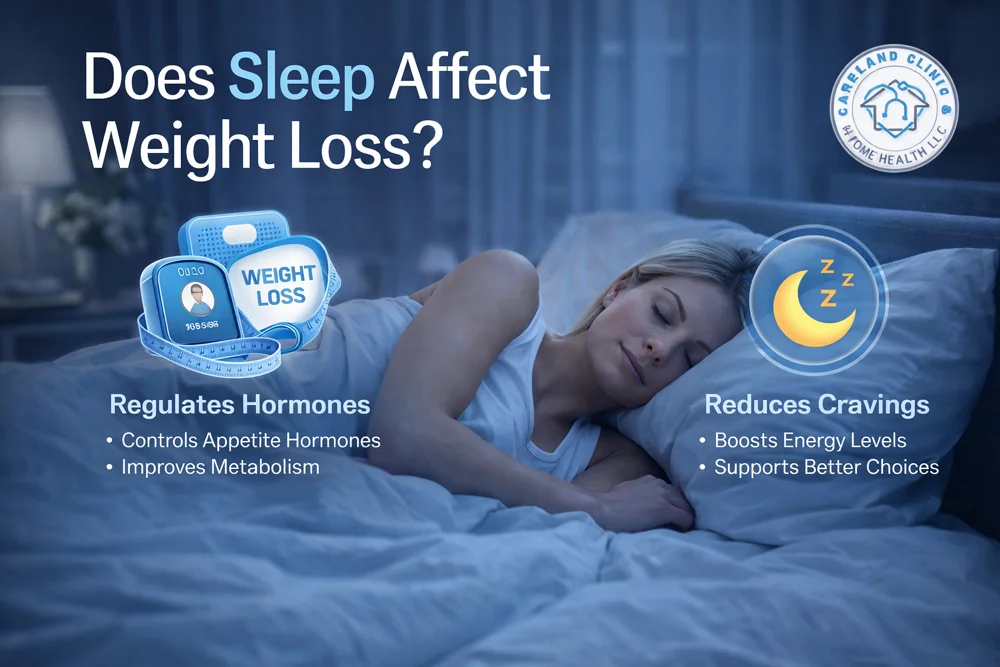
And here’s the kicker lack of sleep doesn’t just make you tired. It messes with your decision making. Suddenly, that healthy salad doesn’t sound appealing anymore, and junk food starts calling your name. It’s not about willpower it’s biology.
On top of that, poor sleep increases emotional eating. When your brain is exhausted, it looks for quick energy fixes usually sugar and carbs. So, even if your diet plan is solid, sleep deprivation can quietly undo all your hard work.
Metabolism is the process your body uses to convert food into energy. Sounds simple, but it’s actually a complex system influenced by many factors sleep being one of the biggest.
A slower metabolism means your body burns fewer calories, even at rest. That’s bad news if you’re trying to lose weight. It’s like driving a car in low gear you’re moving, but not efficiently.
On the flip side, poor sleep increases fatigue, which reduces physical activity the next day. Less movement equals fewer calories burned. Over time, this imbalance can lead to weight gain even if your diet hasn’t changed much.
Ghrelin is often called the hunger hormone, and for good reason. It tells your brain when it’s time to eat. When you don’t get enough sleep, ghrelin levels increase.
What does that mean for you? You feel hungrier way hungrier than usual. And not just for healthy food. You start craving high calorie, sugary, and fatty snacks.
Ever noticed how you crave junk food after a bad night’s sleep? That’s not a coincidence. Sleep deprivation affects the brain’s reward system, making high calorie foods more appealing.
It’s like your brain is saying, I need quick energy give me sugar now! This leads to overeating, especially late at night.
Insulin is a hormone that helps regulate blood sugar. When you don’t sleep enough, your body becomes less sensitive to insulin a condition known as insulin resistance.
Chronic sleep deprivation doesn’t just affect weight it impacts overall health. Increased risk of diabetes, heart disease, and obesity are all linked to poor sleep.
Cortisol is your body’s stress hormone. When you’re sleep deprived, cortisol levels rise. High cortisol levels signal your body to store fat especially around the belly.
So, how much sleep do you actually need? Most experts recommend 7 to 9 hours per night for optimal health and weight management.
That said, sleeping earlier around 10 PM to 11 PM can align better with your natural circadian rhythm, improving sleep quality.
Sleep isn’t just a passive activity it’s a powerful driver of weight loss. From regulating hormones like ghrelin and leptin to controlling cortisol and insulin, sleep affects nearly every process related to weight management.
If you’ve been struggling to lose weight despite eating well and exercising, take a closer look at your sleep habits. Sometimes, the missing piece isn’t in your diet or workout plan it’s in your nightly routine.