A Certified Nursing Assistant (CNA) is usually the backbone of daily elderly care, offering hands on help that keeps seniors safe, clean, comfortable, and emotionally supported. These professionals don’t just assist they become a trusted part of the patient’s everyday life, bridging the gap between medical necessity and personal dignity.
The presence of a nursing assistant often dictates the quality of life an elderly individual experiences. While doctors may see a patient for fifteen minutes a month, a CNA is there for the hours that matter most the morning routine, the midday meal, and the evening wind down. In many cases, CNAs work under the supervision of medical professionals like doctors or nurse practitioners. According to home care service providers in Pennsylvania, nursing assistants are trained to help with daily living activities, medication reminders, hygiene care, and mobility support in both clinical and home environments. Their role becomes even more important when care shifts into the home setting, where comfort and familiarity matter most.
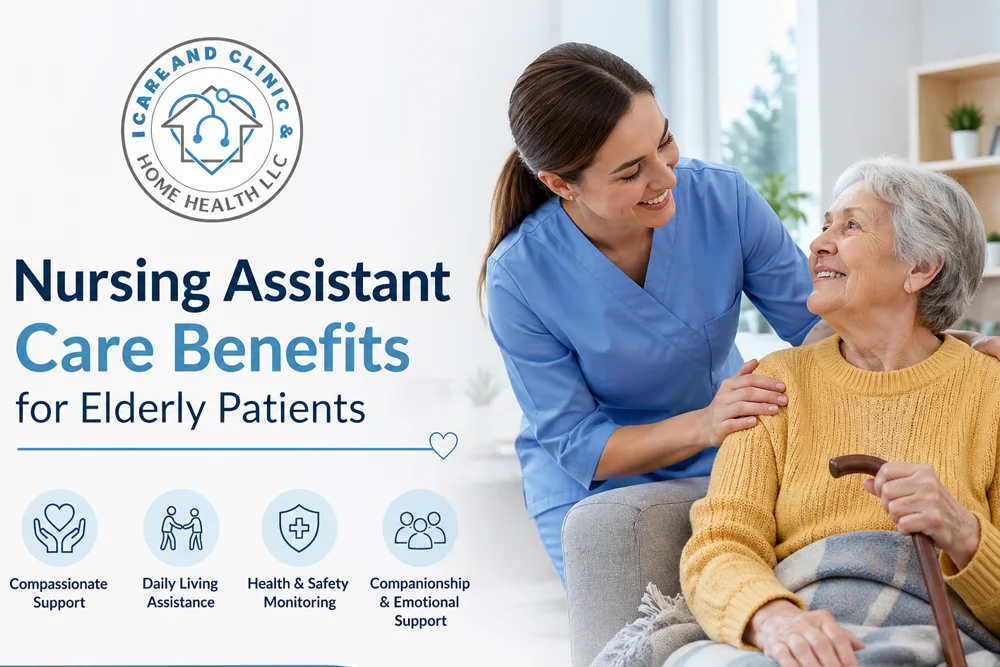
To understand the value of a CNA, one must look at the diverse range of skills they bring to the table. A CNA is trained to support elderly patients with essential day to day needs. This includes bathing, dressing, feeding assistance, checking vital signs, and providing emotional companionship. In home settings, CNAs also help maintain routines that give seniors a sense of stability.
Beyond these tasks, CNAs act as the eyes and ears of the healthcare team. They are often the first to notice subtle changes in a senior’s condition such as a new skin rash, a slight decrease in appetite, or a change in cognitive clarity. Unlike complex medical professionals, CNAs focus on practical, human centered care, making them ideal for elderly individuals who want independence but still need assistance. They provide the physical strength needed for transfers and the emotional patience required for repetitive tasks, ensuring the senior feels empowered rather than burdened.
It is common for families to confuse the various acronyms in healthcare. However, understanding the hierarchy of care is essential for planning. A Certified Registered Nurse Practitioner (CRNP) has advanced medical training and can diagnose illnesses, prescribe medication, and manage treatment plans. They function similarly to primary care physicians.
CNAs, on the other hand, focus on hands on care and follow medical instructions given by nurses or doctors. While the CRNP decides what the treatment should be, the CNA ensures the implementation of that care in the patient’s daily life. In places like Pennsylvania, both roles often work together to create a complete care system that supports elderly patients from both a medical and personal perspective. This synergy ensures that while the medical condition is being treated, the person living with that condition is being cared for.
One of the biggest shifts in elder care today is moving from hospitals to in home nursing assistant support. This aging in place philosophy is supported by numerous studies suggesting that seniors thrive when they remain in their own environment. Seniors feel safer and more relaxed when they stay in their own homes, surrounded by memories and comfort.
The benefits extend beyond just the patient families experience a significant reduction in the caregiver burden. Knowing that a professional is handling the difficult physical tasks allows family members to return to being daughters, sons, or spouses, rather than full time medical aides.
Home is more than just a place it’s emotional security. For a senior, their home is a map of their life. Every chair, photo, and room holds a memory. Elderly patients often respond better to care when they remain in familiar surroundings. This reduces confusion, stress, and even symptoms of dementia, which can be exacerbated by the sundowning effect or the sterile, loud environment of a hospital.
In home nursing assistants bring professional care right to the doorstep, ensuring seniors don’t need to adjust to unfamiliar hospital settings. That alone can significantly improve recovery speed and mental health. When a patient is relaxed, their body’s cortisol levels drop, allowing the immune system to function more effectively.
Loneliness is a silent struggle among elderly individuals, often leading to depression or physical decline. Nursing assistants don’t just help physically they also provide companionship. A simple conversation, shared laugh, or daily check in can lift a senior’s mood dramatically.
The relationship between a CNA and a senior is unique. Because they spend so much time together, they often develop a deep bond. This emotional connection is one of the most underrated elderly home care services benefits, yet it plays a huge role in improving overall well being. For many seniors who live alone, the arrival of their nursing assistant is the highlight of their day.
Elderly home care services are designed to support seniors with everyday tasks while preserving their independence. The goal isn’t to take over the senior’s life, but to provide the scaffolding that allows them to live safely.
CNAs help with grooming, dressing, meal preparation, and hygiene care. These tasks might seem small, but for seniors, they make a massive difference in dignity and comfort. Maintaining a clean appearance and a tidy living space helps a senior feel in control of their life. Furthermore, CNAs ensure that nutrition is prioritized, preparing meals that meet specific dietary requirements, such as low sodium or diabetic friendly diets.
Falls are one of the biggest risks for seniors, often leading to a downward spiral of health complications. Nursing assistants assist with walking, transferring from bed to chair, and preventing accidents at home. They perform environmental scans to identify trip hazards like loose rugs or poor lighting. This kind of support greatly reduces hospital readmissions and long term complications, keeping the senior mobile for as long as possible.
A missed dose or double dose can lead to serious health issues, including dizziness, heart palpitations, or drug interactions. Nursing assistants act as a safety net, reducing these risks significantly and helping families feel at ease. They document the time of each dose, providing a clear record that doctors can review during check ups.
Every senior has unique health needs, history, and personality. That’s why personalized care plans for elderly patients are essential in modern home healthcare. A one size fits all approach simply does not work in geriatric care.
Care plans are built around physical health, emotional needs, diet, mobility level, and even hobbies. For example, if a senior loves gardening but can no longer bend down, a CNA might help them manage a raised bed garden. This ensures seniors don’t feel like patients, but rather individuals receiving meaningful support that honors their past and present interests.
Recovering at home after surgery is becoming more popular and for good reason. The risk of hospital acquired infections is lower at home, and the psychological benefits of being in one’s own bed are immense.
Quality care depends on training, experience, and compassion. Families often look for certified professionals who understand both medical support and emotional care needs. The best CNAs are those who combine technical proficiency with a heart for service.
West Lawn, PA is home to several trusted providers offering senior care services. This local availability means that families in the Berks County area have access to high quality care without long wait times.
Many agencies provide full service home health care, including companionship, personal care, and medical supervision. Having local providers allows for better community integration and faster response times for emergency scheduling.
One example is CCHH Care, a provider offering nursing assistant care, personal assistance, medication reminders, and home-based support for seniors in West Lawn, Pennsylvania. Their services are designed to help patients stay independent while receiving professional care at home. They also provide activities of daily living support, light housekeeping, and recovery assistance, ensuring elderly patients receive well rounded care in a familiar environment. By focusing on the individual rather than just the diagnosis, they exemplify the modern standard of home health.
Pricing depends on care level, hours required, and medical needs. Some insurance programs, Medicare Advantage plans, and state waivers (like the Pennsylvania Medicaid Waiver) may help reduce costs for eligible families. Private pay options and long term care insurance also play a role in funding these services.
Even though home care may seem expensive initially, it often reduces hospital visits and long term healthcare costs. By preventing falls and managing chronic conditions at home, families avoid the astronomical costs of emergency room visits and long term nursing home stays making it a smart investment in both finances and quality of life.
Nursing assistant care is more than just help it’s a lifeline for elderly patients who want comfort, dignity, and independence. From medication support to emotional companionship, CNAs make everyday life easier and safer. Whether it’s post surgery recovery or long term elderly care, in home services are transforming how families support their loved ones. By choosing professional, personalized care, we ensure that our seniors don’t just age, but age with the grace and respect they deserve.