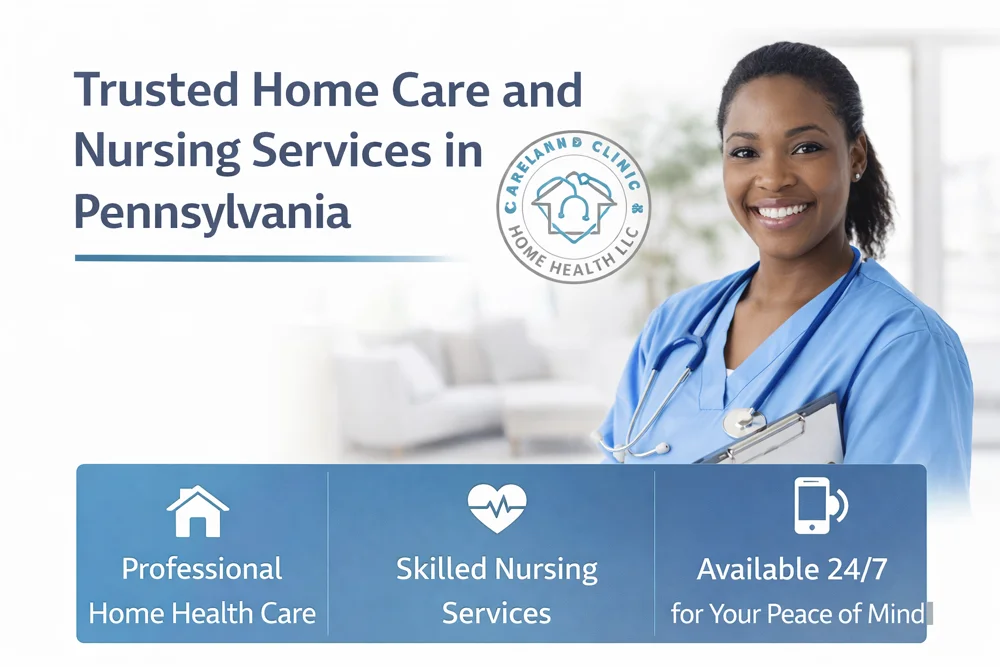
This guide explores the various facets of trusted home care in PA, from skilled nursing to personal assistance, helping you make an informed decision for your loved ones.
When someone you love starts needing extra help, life can feel overwhelming. Suddenly, simple things like cooking dinner, navigating stairs, or remembering complex medication schedules turn into serious daily concerns. This is where home care services in Pennsylvania step in not as strangers invading a private space, but as steady hands and caring hearts designed to provide a safety net.
Home care services are professional support systems provided right in the comfort of a private residence. Instead of undergoing the stressful transition to an assisted living facility or a nursing home, individuals receive tailored assistance where they feel safest. These services are versatile, ranging from basic companionship to advanced medical intervention.
Think of it as bringing hospital level attention directly to your living room, minus the cold hallways, restricted visiting hours, and noisy machines. It is a bridge between total independence and institutional care.
Let’s be honest: most people do not want to leave their homes. A home is more than just four walls it is a repository of memories. Familiar smells, a favorite worn in chair, the way the morning sunlight hits the kitchen table these small details contribute significantly to a person’s mental and emotional well being.
Pennsylvania’s population is aging at a rapid rate, and modern family dynamics are changing. Today, “the sandwich generation” adults who are simultaneously raising children and caring for aging parents is under immense pressure.
More seniors express a desire to “age in place.” At the same time, adult children often live in different cities or even states, making it impossible to provide daily hands-on care themselves. The result is a rising demand for trusted home care in PA that families can rely on to fill the gap.
Nothing beats the reassurance of knowing a dependable professional is checking in, preparing nutritious meals, and keeping a watchful eye on safety. It’s not just about physical care; it’s about providing the family with the mental freedom to be a son or daughter again, rather than just a stressed-out caregiver.
Not all care requirements are identical. Some individuals require light assistance with errands, while others require intensive medical supervision. Pennsylvania providers typically categorize these into two main branches Skilled Nursing and Personal Care.
This is where professional healthcare meets the comfort of home. Skilled nursing care at home involves licensed professionals (RNs or LPNs) who handle complex medical needs that require clinical expertise.
Not every need is clinical. Often, the difference between a good day and a bad day is simply having help with Activities of Daily Living (ADLs). These services ensure that the individual remains clean, fed, and safe.
Behind every successful home care team in Pennsylvania, you will find compassionate Certified Nursing Assistants (CNAs). They are the frontline workers who spend the most time with the patient.
CNAs focus on the physical logistics of daily life. This includes:
Physical health is only half the battle. Isolation and loneliness can lead to depression and cognitive decline in the elderly. A CNA provides vital social interaction. A simple conversation over tea, playing a board game, or looking through old photo albums can brighten an entire day and stimulate mental clarity.
Aging does not have to mean a loss of independence. With the right support system, it can be a graceful transition.
Every person is a unique individual with a specific history. A one size fits all approach does not work in healthcare. Personalized care plans are developed after a thorough assessment of the home environment and the patient’s medical history.
The hallmark of a great caregiver is the ability to empower, not take over. By assisting with difficult tasks while encouraging the individual to do what they still can, caregivers help maintain the patient’s sense of purpose and control.
For residents in specific areas like West Lawn, PA, choosing a local provider offers distinct advantages. Local agencies aren’t just businesses they are part of the community fabric.
These providers don’t just show up they know the local pharmacists, the geography, and the specific resources available to Berks County residents. That local knowledge ensures smoother coordination of care, timely responses to medical needs, and faster access to critical services.
With Careland Clinic and Home Health, families can feel confident that their loved ones are in capable hands. Caregivers aren’t just professionals; they’re community members who genuinely care about their neighbors’ health and well-being. This trust and familiarity make a world of difference when choosing home care services in Pennsylvania.
Why do doctors increasingly recommend in home skilled nursing over extended hospital stays or rehab centers? The data suggests several key benefits:
Choosing a care provider is a serious responsibility. You are inviting someone into your most private space. To ensure safety and quality, follow these steps:
Understanding the financial aspect is crucial for long term sustainability. The cost of care in Pennsylvania varies based on:
Payment Options:Many Pennsylvania families utilize Medicaid Waivers (like the PA Aging Waiver), Long Term Care Insurance, or Veterans’ Benefits (Aid and Attendance) to cover the costs.
Sometimes the need for help creeps up slowly. Watch for these red flags:
Trust isn’t built overnight it is earned through every meal prepared, every medication correctly administered, and every kind word spoken during a difficult night. When families find dependable nursing services in Pennsylvania, the entire atmosphere of the home changes. Stress evaporates, replaced by confidence. Loved ones feel supported without feeling like they have lost their identity.
Home care often includes non-medical support like bathing and meal prep, while skilled nursing involves licensed medical professionals providing clinical care.
Yes, agencies must follow Pennsylvania state regulations and licensing requirements.
Look for signs like difficulty managing medications, mobility issues, or noticeable behavioral changes.
CNAs assist with daily living tasks but do not perform advanced medical procedures like registered nurses do.
Many providers offer flexible scheduling, including round-the-clock care when needed.